Tom’s Hardware reviewed Alienware’s 32-inch AW3226Q gaming monitor, which combines Tandem RGB Stripe OLED technology with 4K resolution, a 165 Hz refresh rate, Adaptive-Sync, HDR400 True Black, Dolby Vision and wide-gamut color. The review describes the monitor as stylish and low-priced.
Sony has backtracked on its promise of three major Android updates for the Xperia 10 VI, meaning the phone will not receive Android 17, according to The Verge. TechRadar reports that technical limitations prompted the reversal and says other phones could face a similar issue.
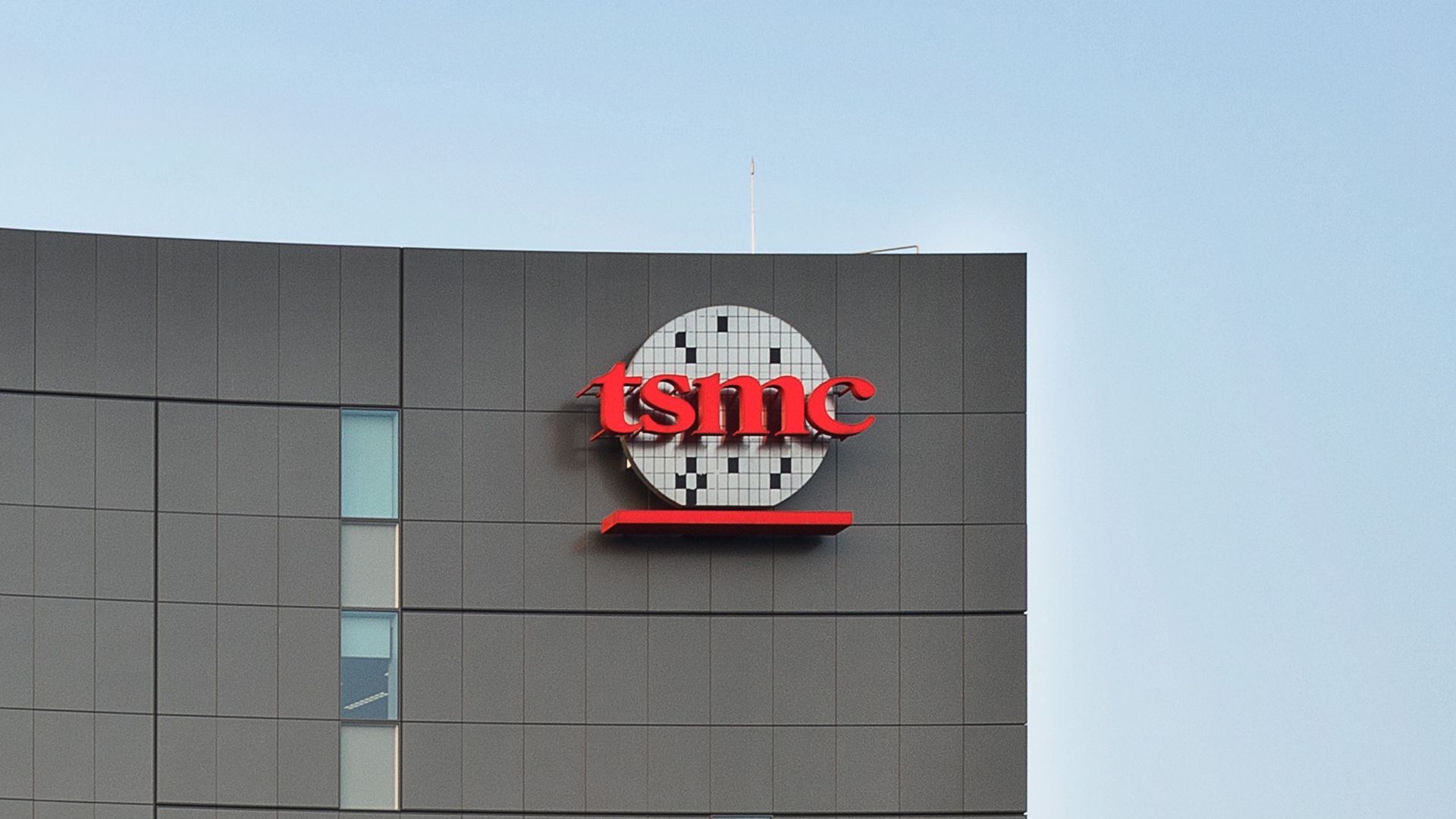
TSMC has confirmed talks with Elon Musk about the Terafab project and is considering Texas for expansion of its U.S. chipmaking capacity, according to the reports. The South China Morning Post says TSMC insists on operational control, while Tom’s Hardware reports the company would have to run the entire fab to participate.
Epic says its redesigned games launcher starts 46% faster than Steam, according to Tom’s Hardware, and has introduced it in preview. Tom’s Hardware reports that Epic said it vibe coded the launcher because programming is hard; Ars Technica also reports Epic’s speed claim and warns that the Preview app may have bugs. The Verge describes the new launcher as vibe coded.
Microsoft says Windows 11 is now more responsive and runs better on computers with 8GB of RAM, according to The Verge. TechRadar later reports that Microsoft says Windows 11 runs much faster and more responsively.
Romanian authorities launched search and rescue operations off the Black Sea coast Thursday after a drone struck a ship that caught fire, PBS reports, amid fears that Russia’s war in Ukraine is spreading. Reports differ on the scale: the BBC says eight crew are missing, while Deutsche Welle reports two ships on fire and seven crew missing. The Financial Times reports that Russia is suspected of striking two tankers in NATO waters; Al Jazeera describes the fire amid rising attacks in the Black Sea.
Anthropic has warned that small AI models could be months away from self-replicating across internet-connected devices, potentially forming botnets that spread quickly and are difficult to shut down. RTÉ reports the warning also raised the possibility that such systems could resist takedown efforts and break into data centres to accelerate their growth; The Hacker News says the botnets could lack a centralized point to disable.
The International Bureau of Weights and Measures voted Thursday to scrap the leap second, The Verge reports, in a change intended to prevent potential infrastructure failures akin to the Y2K scare. CNET says doing away with the leap second might prevent future time-related computer anomalies. This follows earlier reports that world timekeepers voted to replace leap seconds with a leap hour.
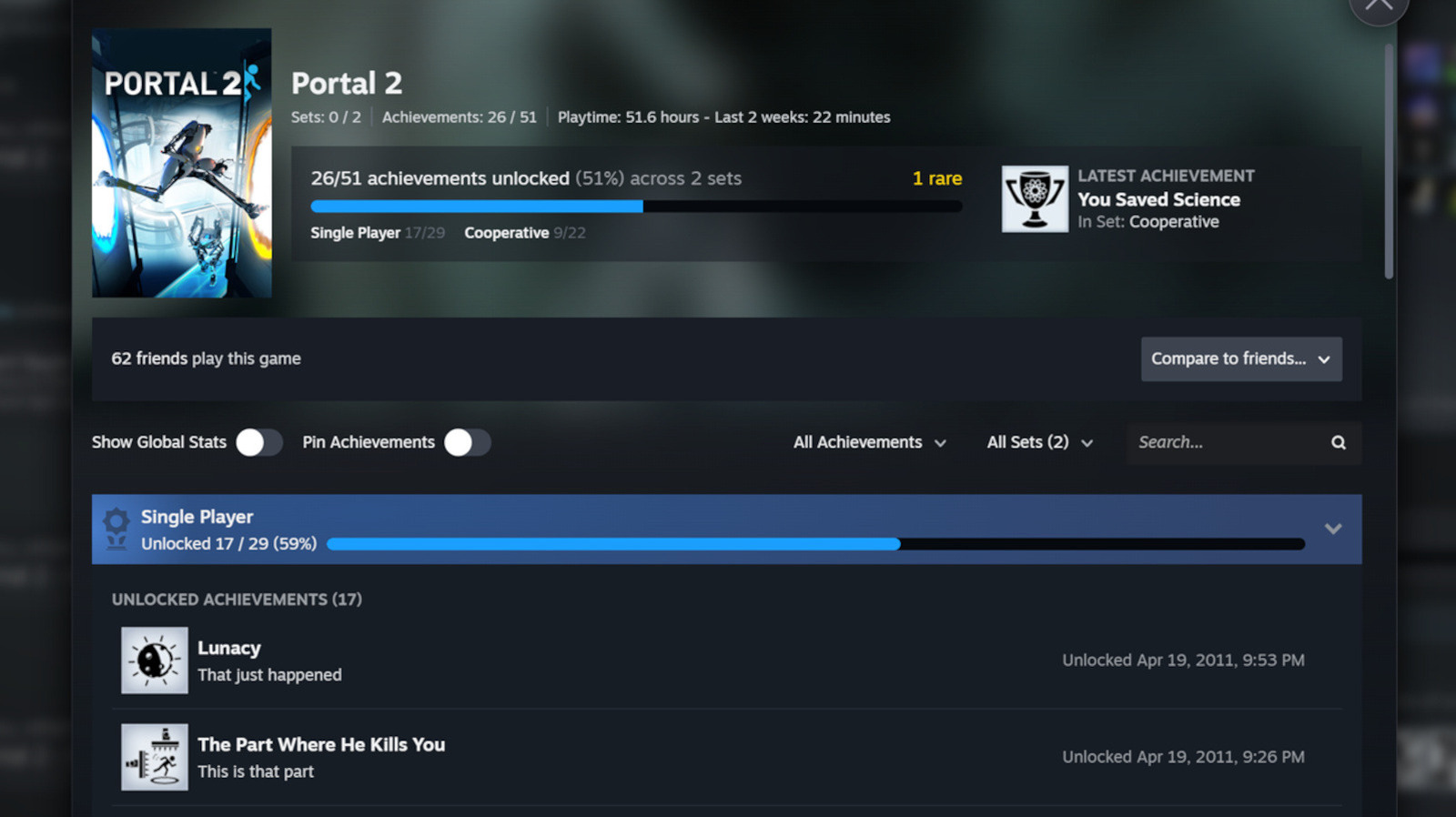
Valve has launched Achievement Sets in beta on Steam, according to Engadget. The Verge reports that the feature lets developers group achievements separately for a base game and its DLC. Engadget says the separation can keep DLC achievements from affecting a player's 100 percent record.
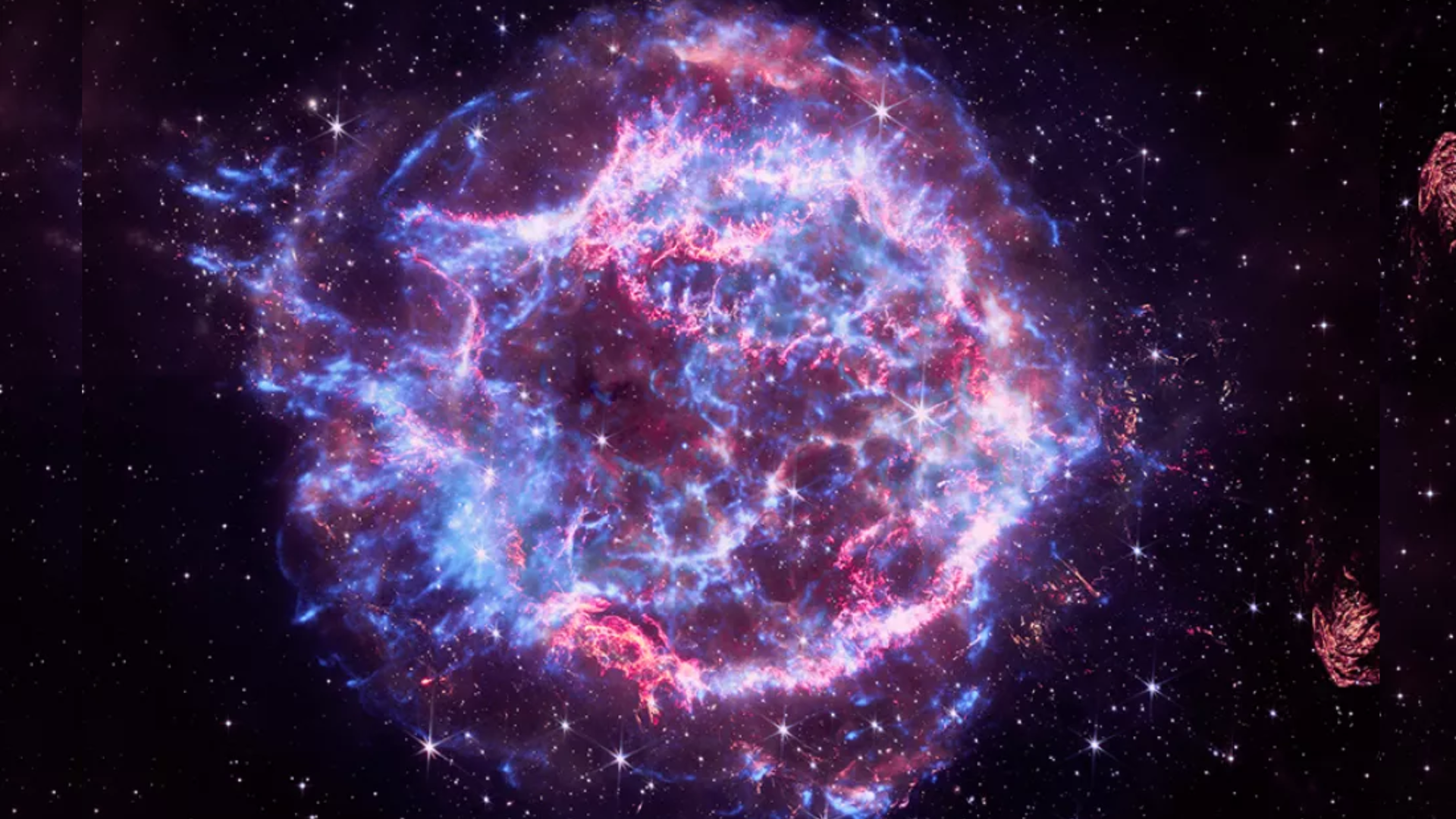
New research suggests that hypernovae, among the universe’s most powerful stellar explosions, may not happen at all. Universe Today says the evidence for these explosions is limited and that the research points out holes in it; Space.com likewise reports that scientists say hypernovas may never have occurred.
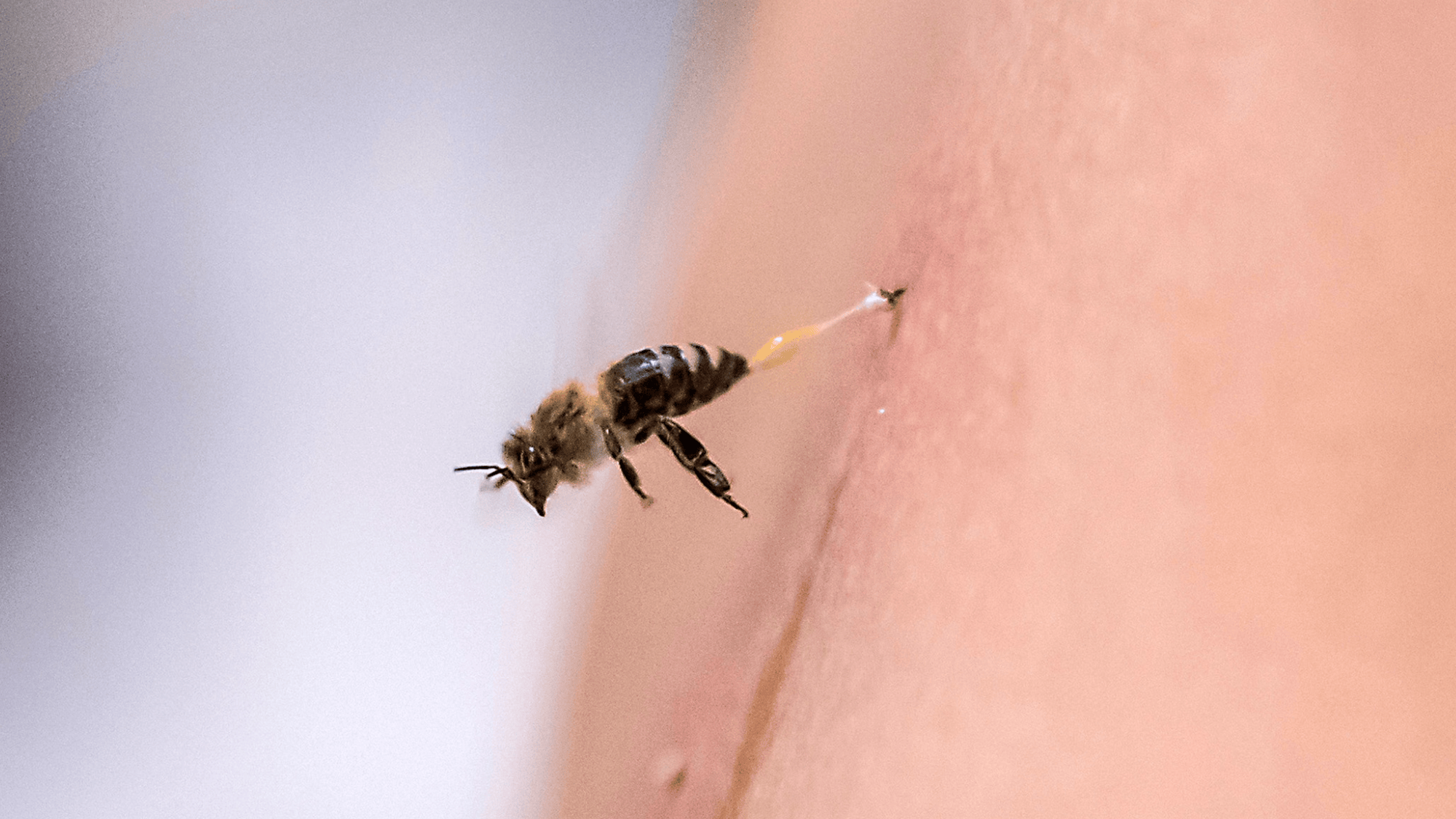
High-speed footage shows that a honeybee’s detached stinger can continue pumping venom, according to The Guardian. Researchers from Macquarie University filmed the stingers using clear gel to mimic human skin, and Ars Technica reports that a co-author described the stinger’s valves as collapsible pistons. Popular Science also reports that bee stingers work like saws to pump venom.
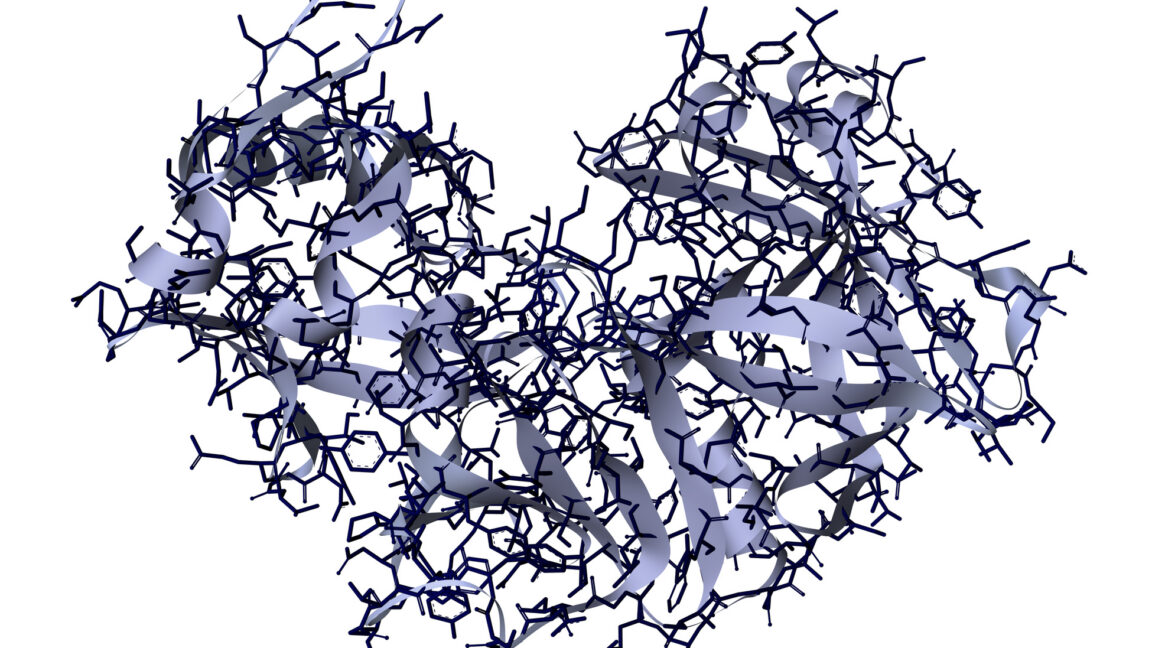
Researchers used AI design tools to create proteins that break down other proteins, including bonds that can remain stable for hundreds of years, Ars Technica reports.
A scientist discussing NASA’s Artemis III says the mission, scaled back from initial plans for a landing, will serve as a dress rehearsal for when humans return to the Moon’s surface.
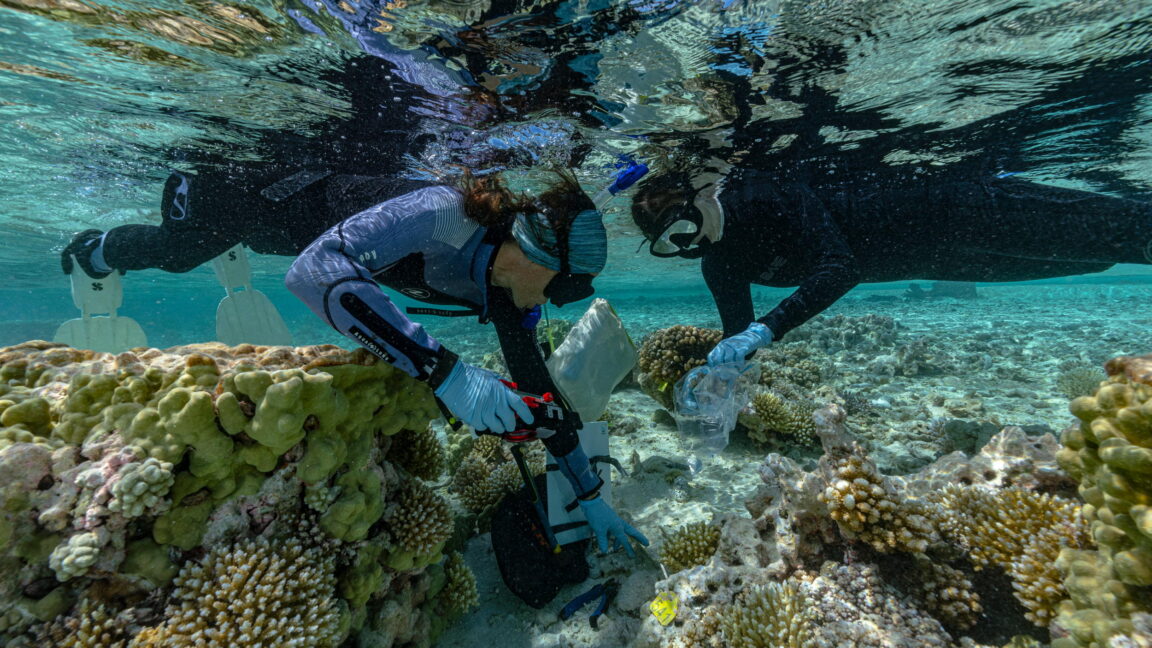
Researchers across North America are attaching tiny transmitters to monarch butterflies as they begin migrating to Mexico. The researchers hope to learn more about the butterflies’ stops and challenges along the way.
NASA’s first Venus missions in a generation are back on track after a cancellation threat, according to Ars Technica. The report quotes a speaker saying that staffing is increasing and work is accelerating.
Researchers are taking lessons from nocturnal animals to help rescue drones overcome a key challenge: flying in the dark, WIRED reports. The work aims to help rescue drones operate in darkness.
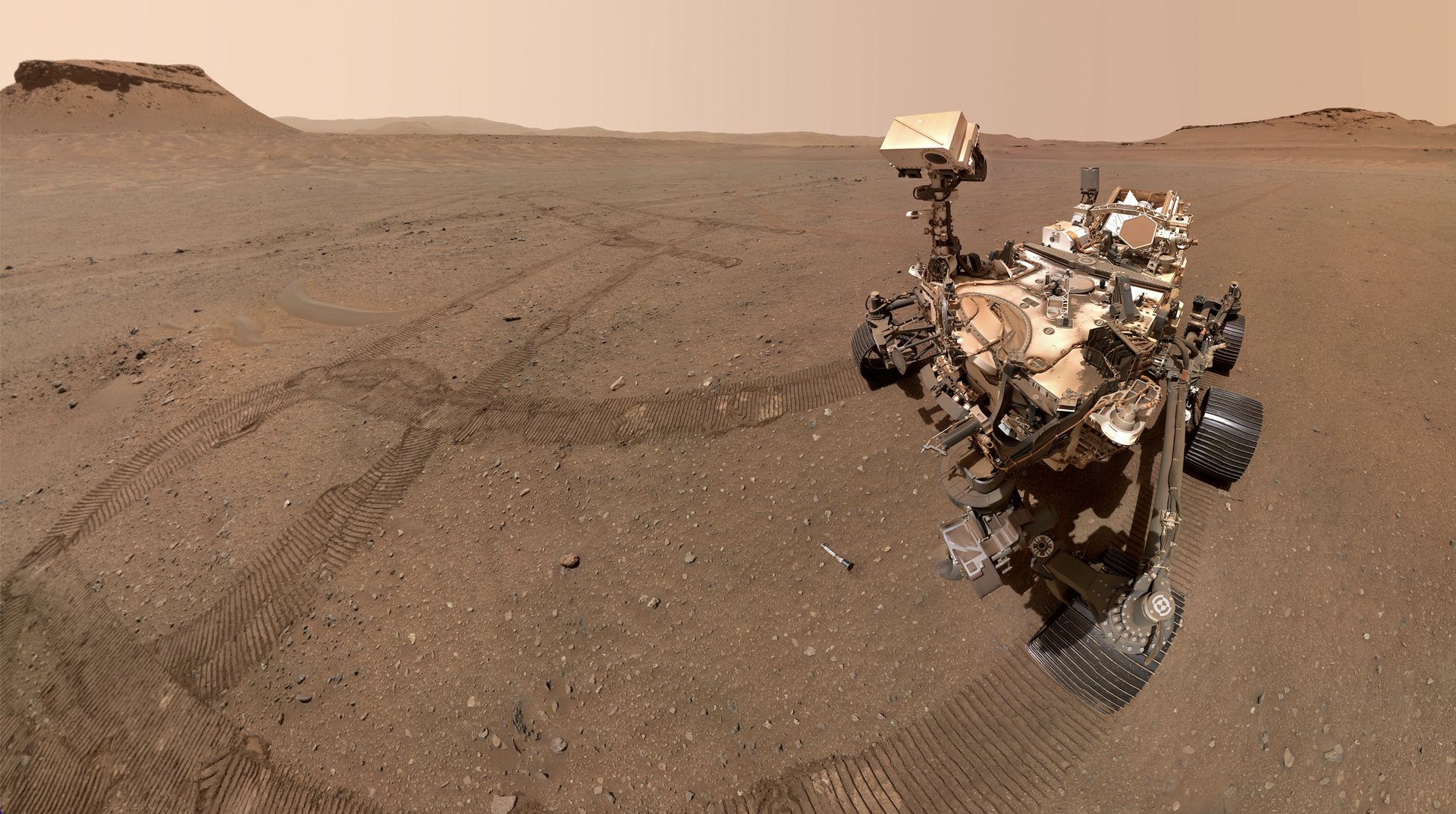
NASA’s Perseverance Mars rover has broken the record for the farthest distance driven on a world beyond Earth, passing its smaller cousin Opportunity, Space.com reports. Popular Science says Perseverance has traveled more than 28 miles and is expected to keep driving until at least 2028.
Rules, described as London's oldest restaurant, is changing hands for only the fourth time in more than 200 years and is now protected by the National Trust, Smithsonian Magazine reports. This follows an earlier report that the restaurant was donated to the trust.
Reports describe D. rex as a giant fungus associated with the period after the dinosaurs died. Popular Science says it was discovered in China, grew over a foot high and dates back 65 million years. Nautilus describes it as a massive fungus that inherited the forests after the dinosaurs died.









/https://tf-cmsv2-smithsonianmag-media.s3.amazonaws.com/filer_public/c2/28/c2283da7-edd4-4453-ab4f-20b584852130/gettyimages-1686794563.jpg)