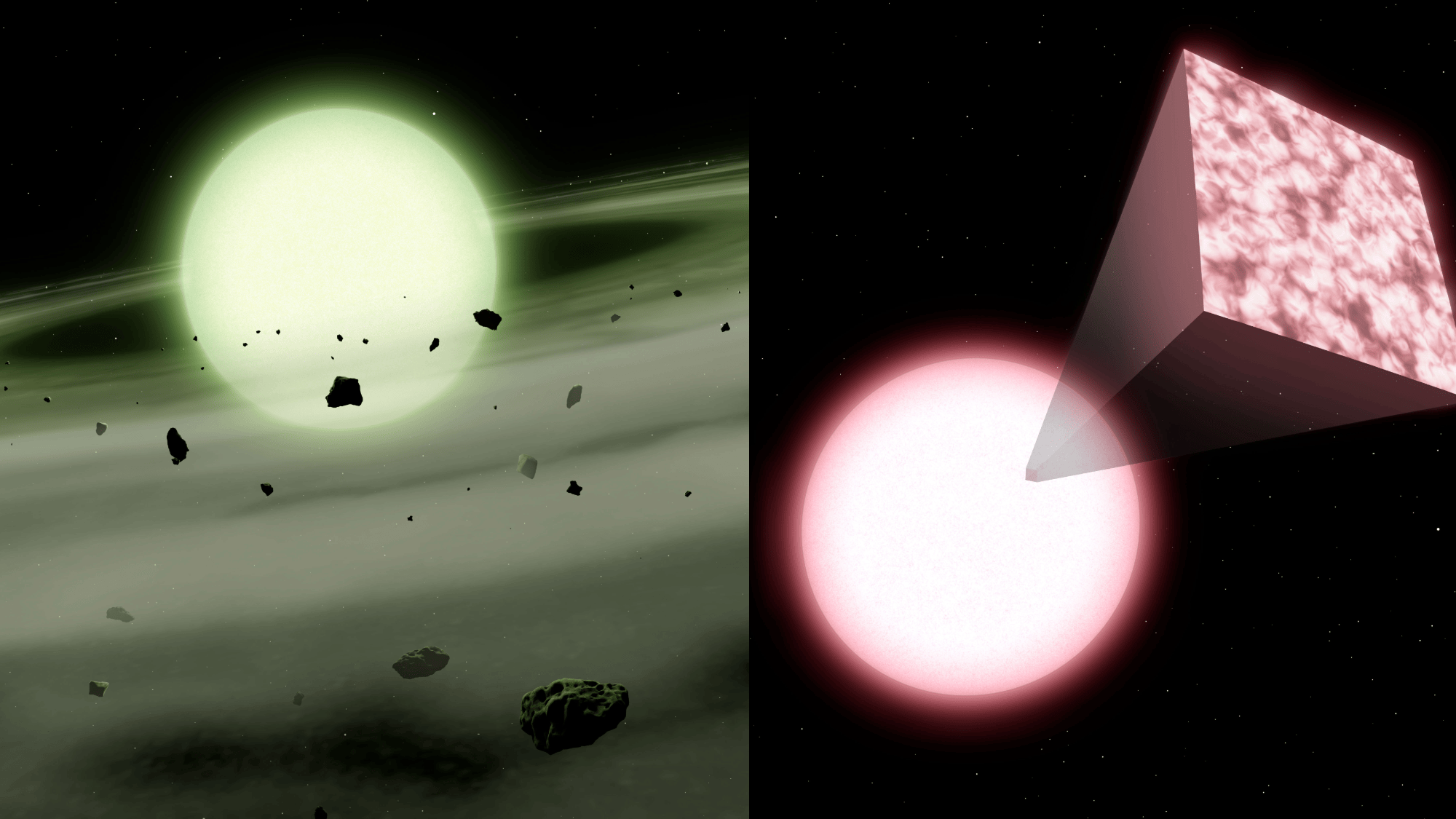
Astronomers have identified the first-ever green star and the reddest star ever recorded, according to the reports. Popular Science names them WDJ1330+6435 and WDJ0902+2010; Live Science reports that a new study finds white dwarfs can appear in a rainbow of colors.
A small study suggests the body's cellular recycling system behaves differently during aging than previously believed, with higher activity sometimes linked to worse physical health. The researchers say even gentle exercise could help restore more youthful cellular recycling patterns in older adults.
WIRED describes the film as deeply uncomfortable, arguing that it forces audiences to confront the stories they tell themselves about who has economic and political power.
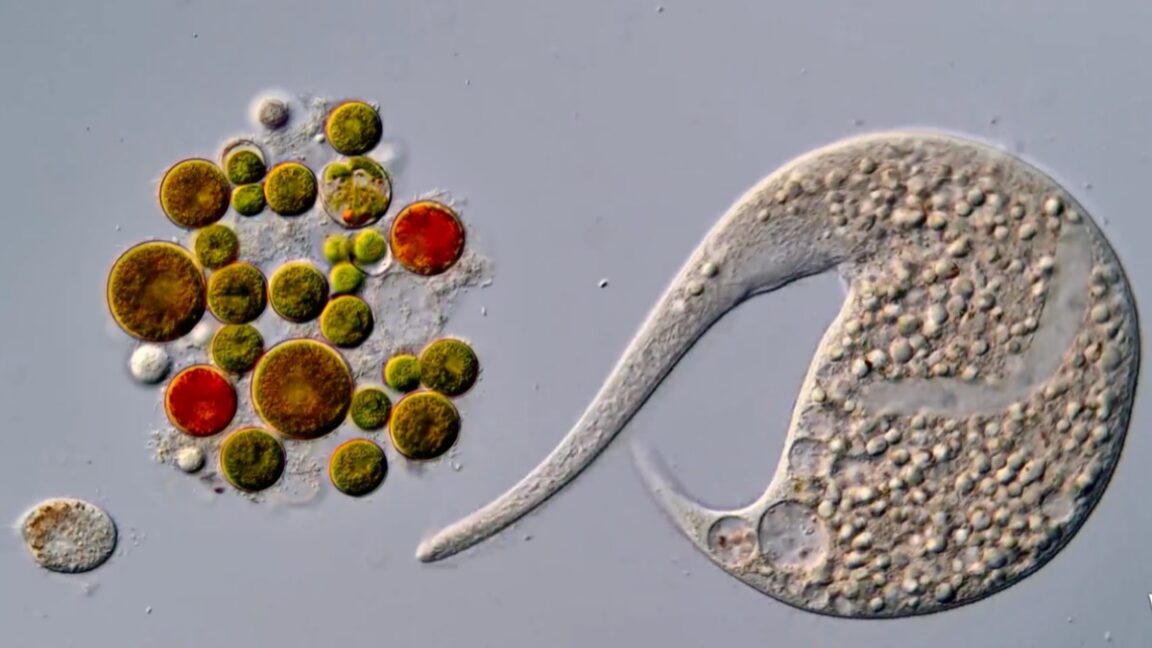
Nikon ruled that a prize-winning image that sparked backlash was AI-generated, and the disqualification led to a new winner in its Small World in Motion competition. Ars Technica reports the replacement is Nguyen Nam Nhat of Vietnam, for a video of a roundworm and single-celled Dileptus.
MIT researchers told WIRED that AI may soon become the default way to solve theoretical problems in economics, high-energy physics and other fields. The report describes AI as moving beyond mathematics into other areas of science.
A mysterious super PAC that also serves as a pro-solar-energy outfit is funding attack ads during the midterms season, according to WIRED. The outlet describes them as among the season’s most aggressive attack ads.
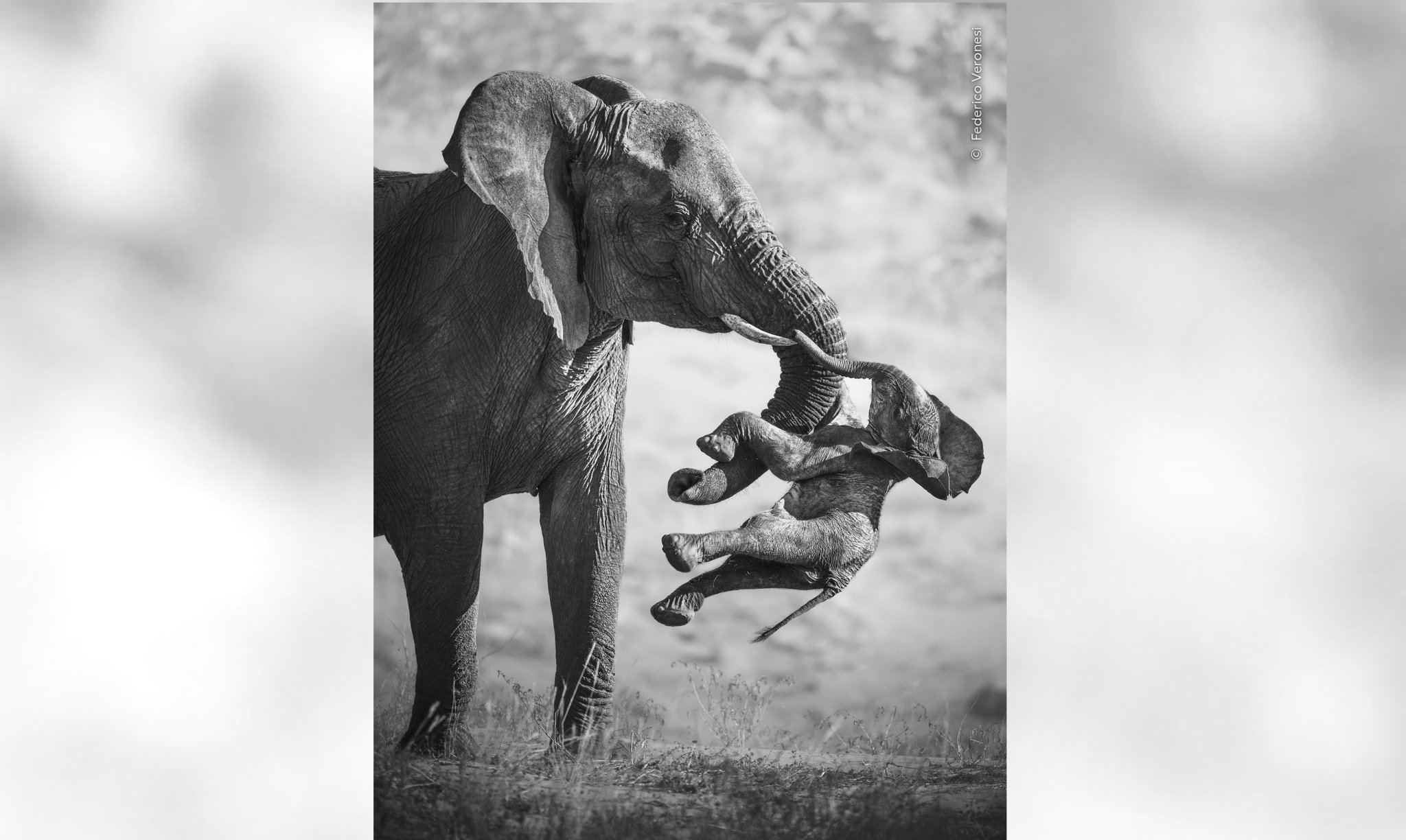
A powerful image of a grieving elephant won Wildlife Photographer of the Year 2026, according to Popular Science. This follows earlier coverage describing the winning photograph as showing an elephant carrying a dead calf.
Apple has refreshed its smart-home lineup with the $299 HomeView smart display and speaker, along with Apple TV 4K, HomePod 2 and third-party connected devices, Popular Science reports. The products are part of a push to create a more cohesive smart-home experience.
Timekeepers have officially gotten rid of the leap second and introduced a leap hour instead, Smithsonian magazine reports. Since 1972, experts have added 27 seconds to Coordinated Universal Time to keep it aligned with Earth’s rotation, though the fix has been imperfect, according to Smithsonian. Al Jazeera’s headline describes the clock as ticking for the leap second and asks why timekeeping could change forever.
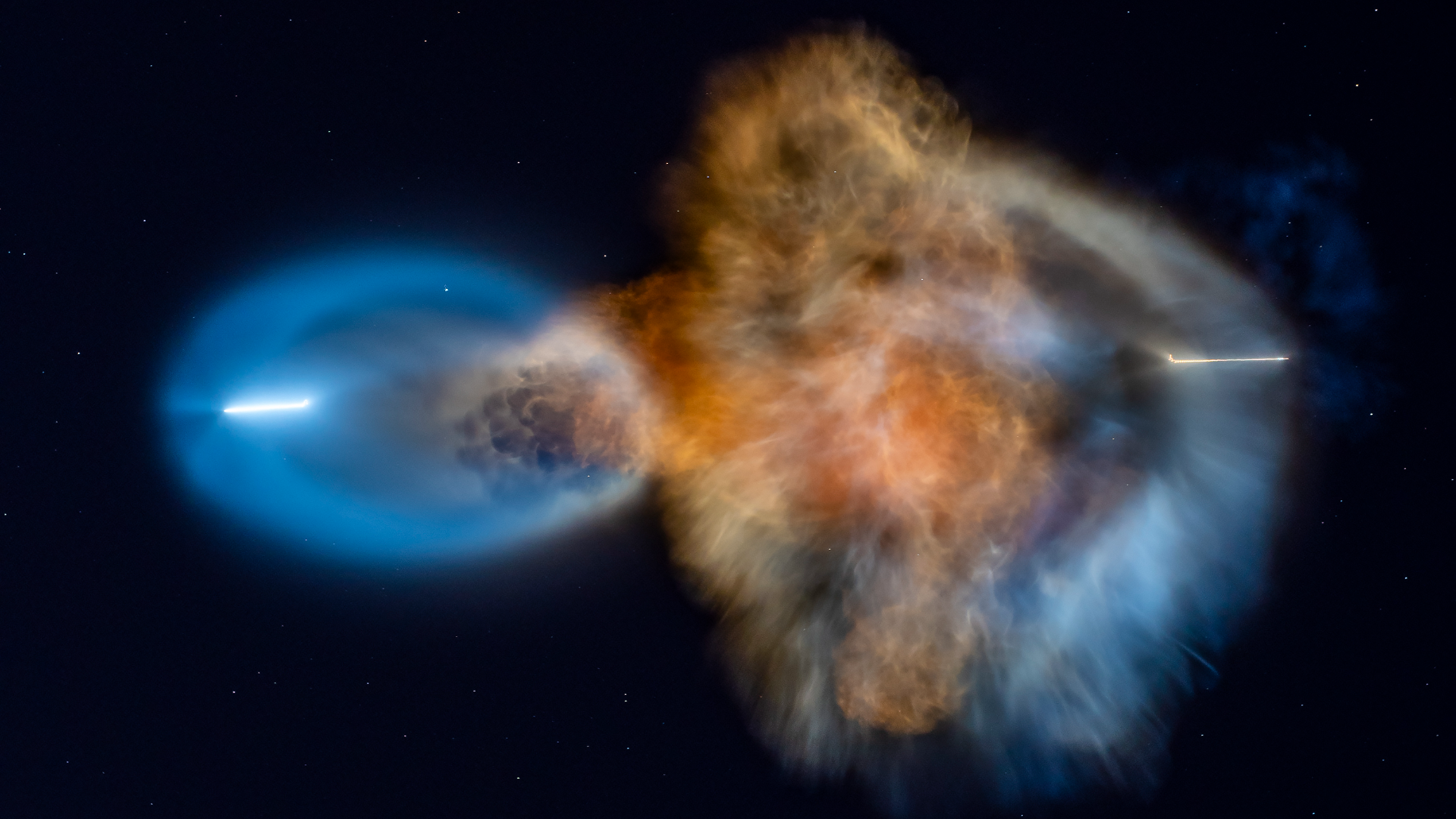
SpaceX launched more than 3 tons of cargo toward the International Space Station on Tuesday morning, Oct. 13. Space.com reports that the launch created a dazzling display visible up and down the U.S. East Coast.
Microplastics in water are not inert and can produce damaging chemicals on their own, Ars Technica reports. Their effects on people remain an open question.
WIRED reports that seven of 16 planetary vital signs are in their most extreme state ever recorded, and says Earth’s condition is serious and getting worse as climate change intensifies. The outlet adds that El Niño is here to make matters worse.
Researchers are investigating what the Liberty Bell may have sounded like. Ars Technica reports that they sought clues through modal analysis of a 20th-century replica bell at Penn State Behrend.
The Atlantic writer Josh Tyrangiel says Elon Musk and Jeff Bezos each want to colonize the moon, mine its resources and launch thousands more satellites. Tyrangiel says their only real competition is each other.
Egypt’s Red Sea reefs, long immune to bleaching, are beginning to feel the effects of climate change. Scientists disagree about why the corals have resisted bleaching, and understanding the reason could help protect them.
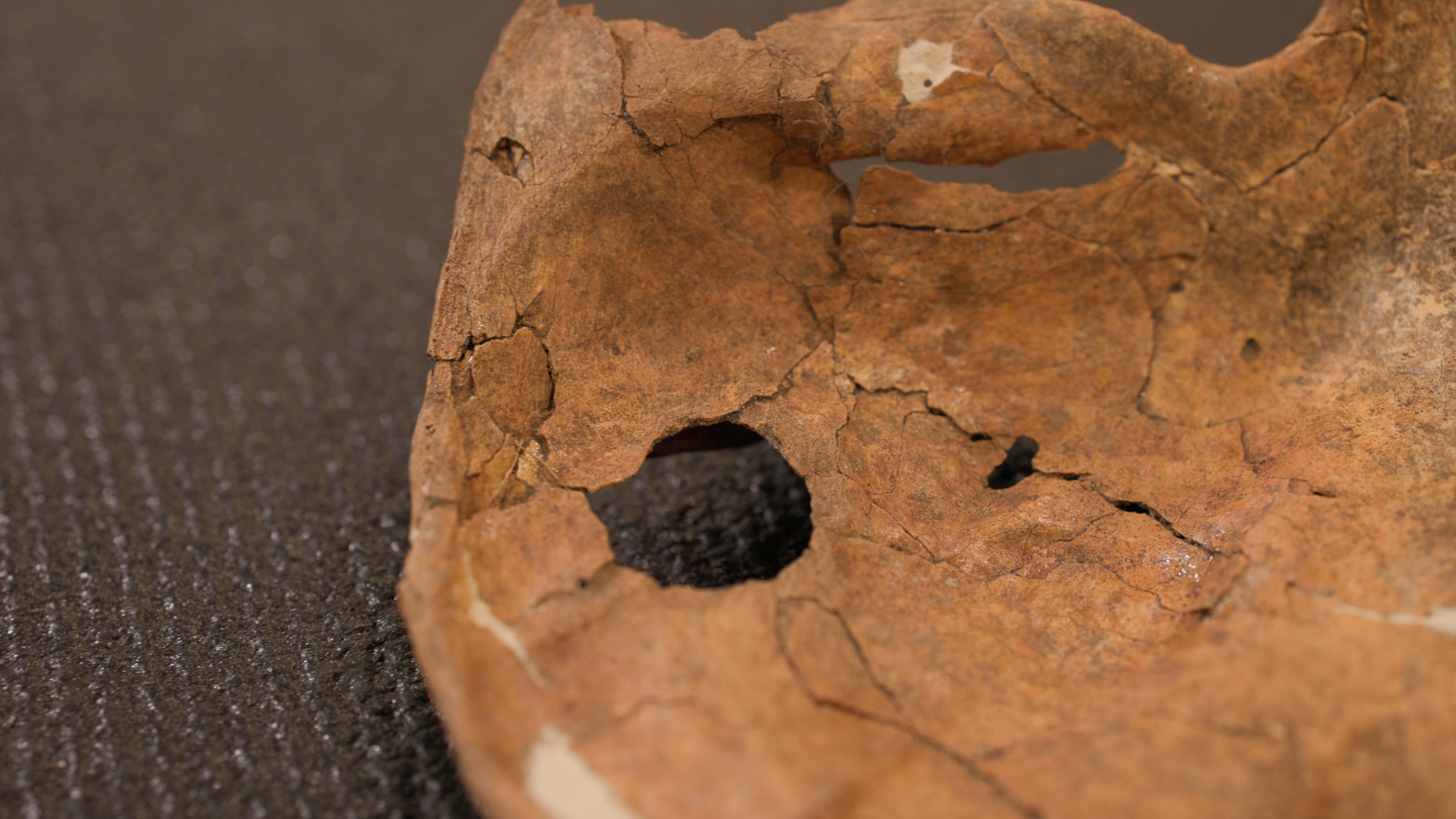
A shoulder wound on a Neanderthal who died more than 70,000 years ago may be the oldest evidence yet of a human ancestor killed by a wooden spear, The Guardian reports. The remains were excavated from Shanidar cave in Iraqi Kurdistan. The BBC says the 75,000-year-old wound may suggest violence shaped human life earlier than previously thought, while Popular Science frames the finding as raising the question of whether the stabbing was a mercy killing or murder.
A SpaceX launch of the CRS-35 cargo mission on 13 October created a jellyfish-like cloud in the early-morning sky, Space.com reports. The Guardian says the cloud was visible off the US East Coast. In a video report, The Guardian says the sun illuminated the rocket’s exhaust plume, according to NASA.
A Neanderthal whose remains were found in Iraq’s Shanidar Cave may have been killed 75,000 years ago by a sharpened wooden spear, according to archaeologists. The National reports that a hole in the shoulder blade suggests the spear struck the chest, and that the individual had survived a serious facial injury for at least a year before dying. The findings come from a study published in Scientific Reports.
Underwater archaeologists have uncovered 4,400–4,700-year-old amphorae off Kekova Island near Antalya, Africanews reports. Scientific American says the shipwreck was found off Türkiye with relatively intact cargo and is believed to be 4,700 to 4,400 years old. This follows reports on Oct. 14 that archaeologists had discovered what they described as the world’s oldest shipwreck off Turkey’s coast.




/https://tf-cmsv2-smithsonianmag-media.s3.amazonaws.com/filer_public/52/e0/52e0ad1d-3ad1-4f1b-ac1b-29c99056f9a8/wall_clocks_at_ikea_store.jpg)