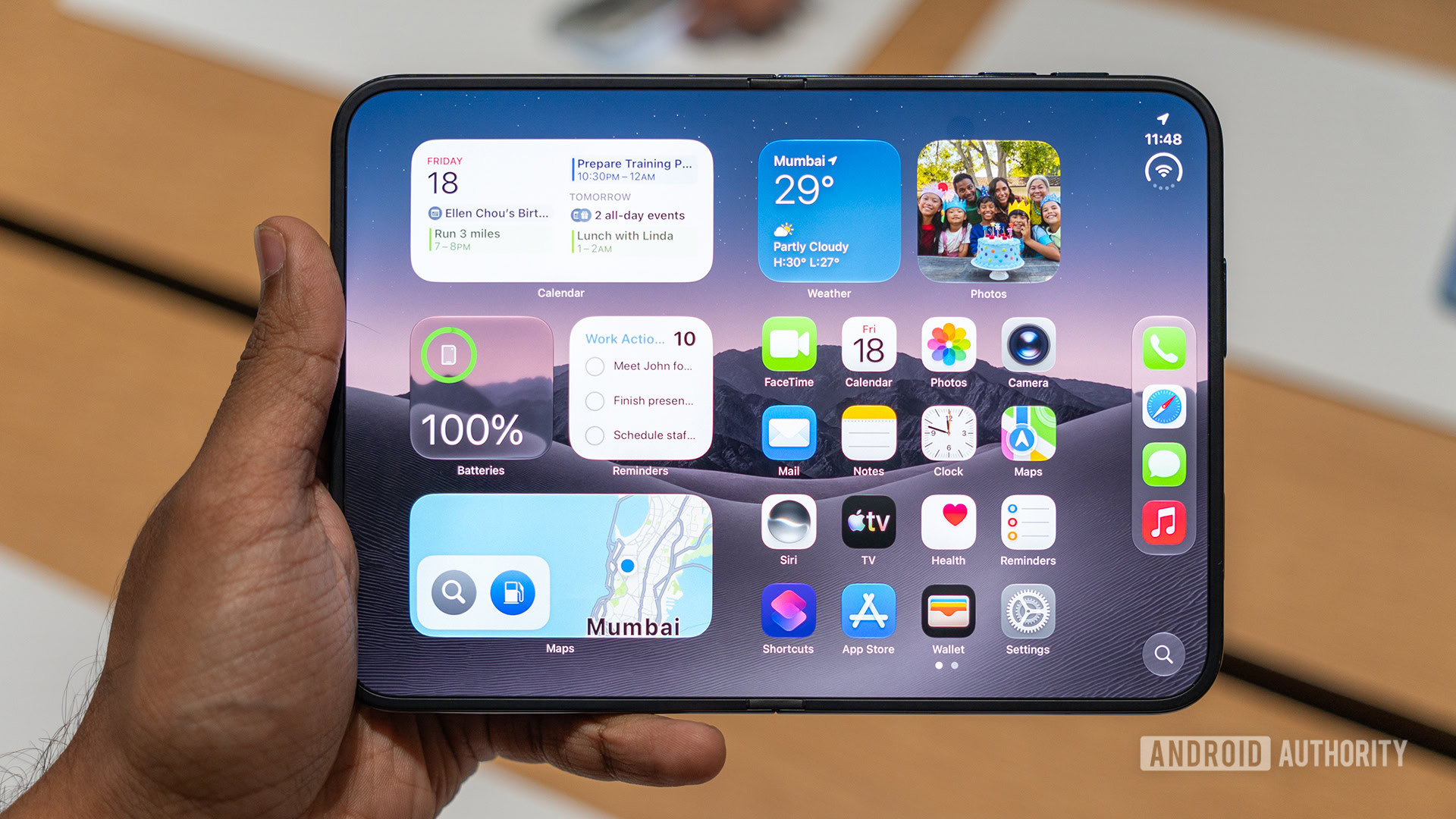
Repairing Apple’s foldable iPhone Duo could cost up to $1,500 without AppleCare, CNET reports. Android Authority says even Samsung’s Galaxy Z TriFold looks relatively affordable to repair by comparison.
Repairing Apple’s foldable iPhone Duo could cost up to $1,500 without AppleCare, CNET reports. Android Authority says even Samsung’s Galaxy Z TriFold looks relatively affordable to repair by comparison.

Skullcandy Hesh Evo headphones have dropped to $59.99 at Amazon, returning to their all-time low, according to Android Authority. The deal cuts 43% off and includes headphones with 36-hour battery life and Tile tracking.
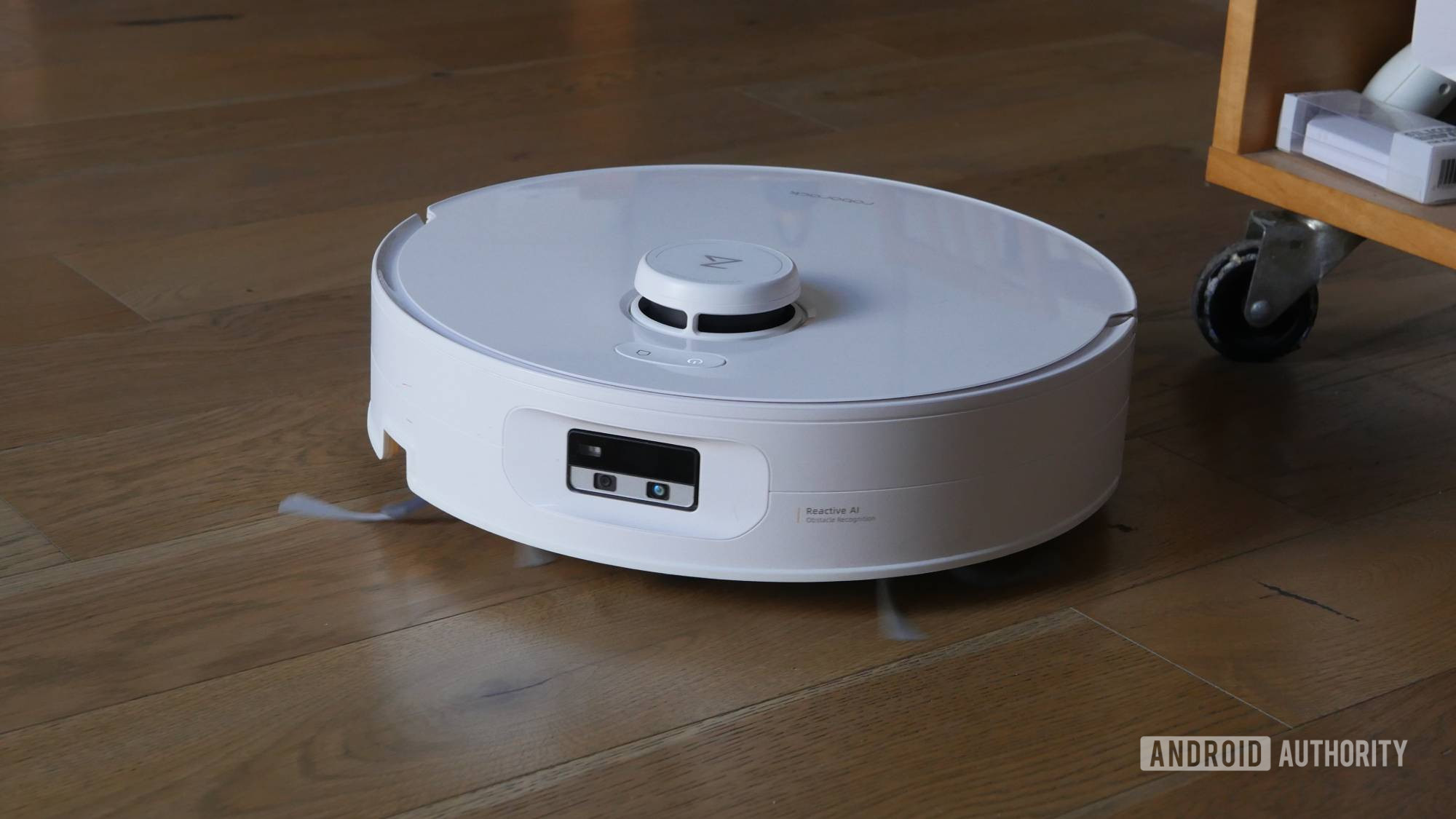
Android Authority reports that the Roborock Qrevo Series is 42% off at Amazon, a new low for 2026. The deal includes a hands-free dock, dual spinning mops and app-based cleaning.
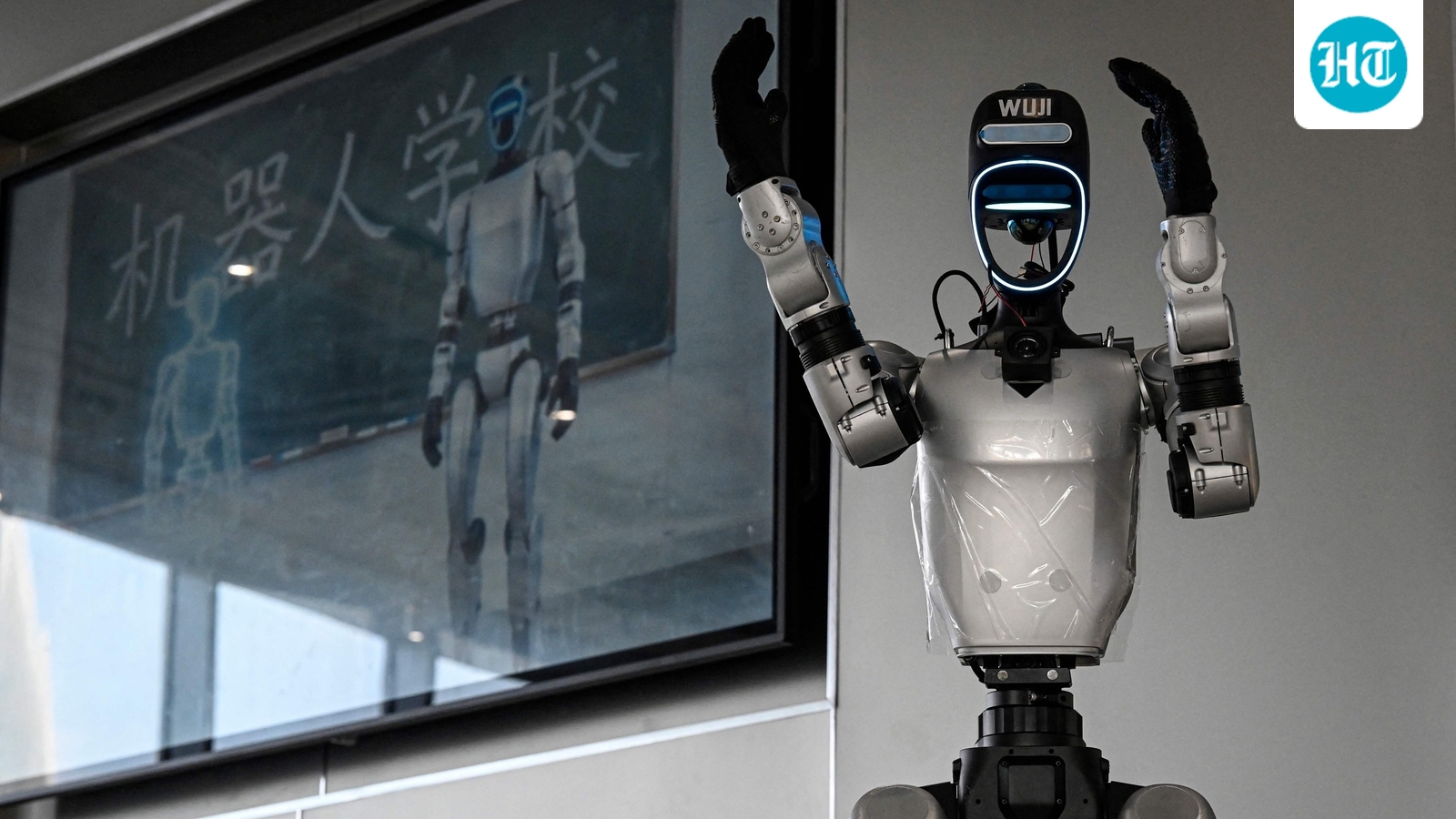
An epidemic of unreliable numbers is threatening the AI boom. The Economist and Hindustan Times say investors can no longer put their trust in data.

The New Yorker offers a view from the back seat on learning to live with Waymos. Its headline describes that experience as going weird.
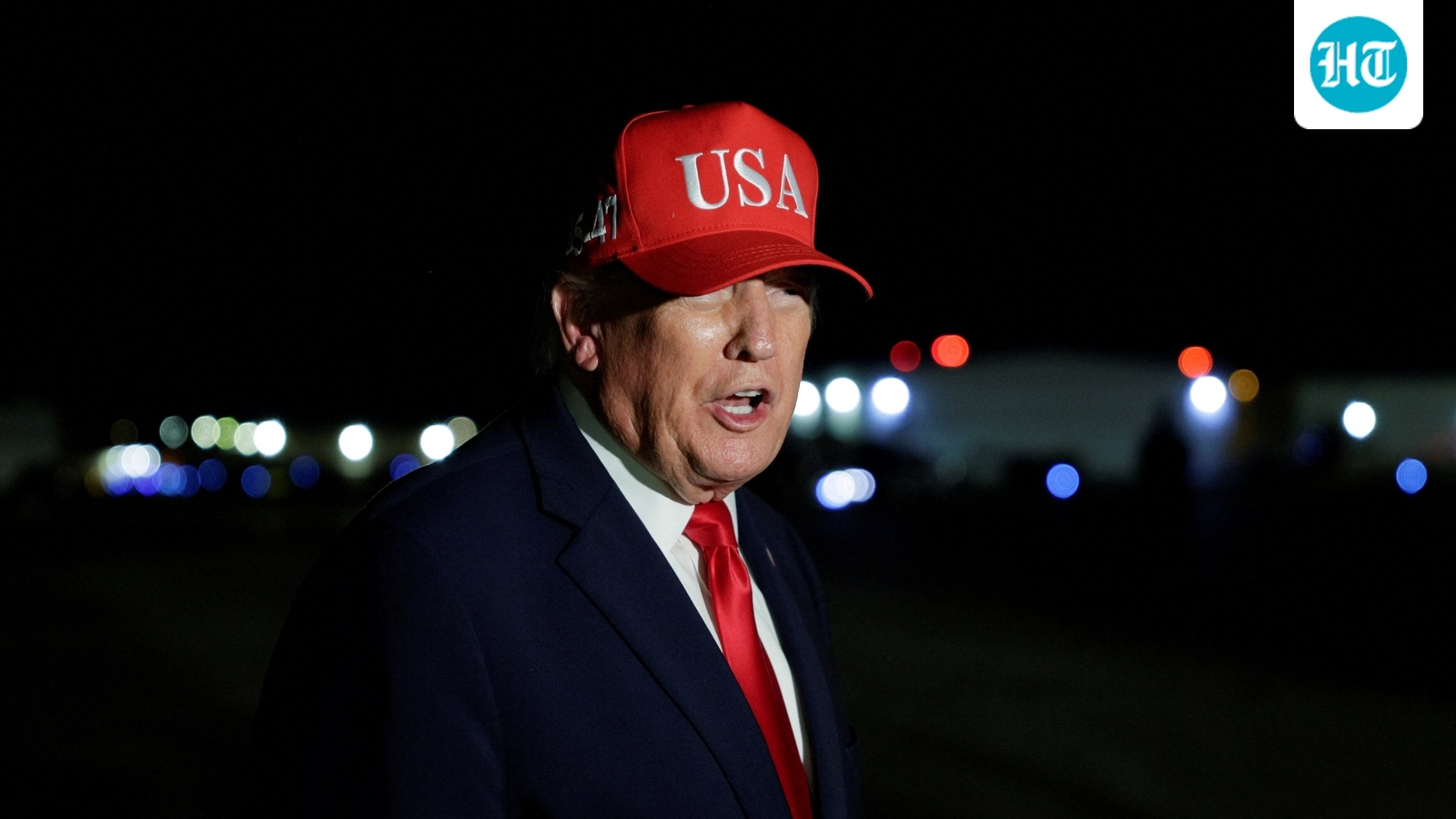
The Economist calls Donald Trump’s scheme to secure Russian diesel scandalous. Hindustan Times carries the same report, also describing the scheme as scandalous.
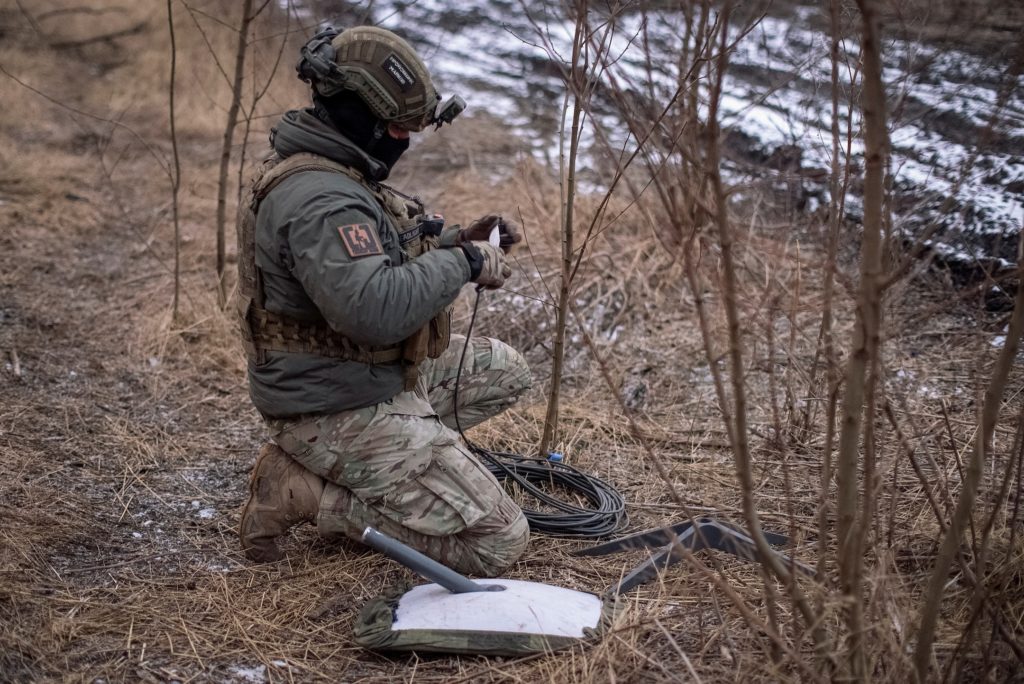
A disruption to SpaceX’s Starshield satellite network hampered Ukrainian military communications on Wednesday, PBS NewsHour reports. Ukrainian forces said their battlefield efforts were temporarily hampered after losing some access to the military-grade satellite internet service, according to TIME, which also reports that experts described its importance to the battlefield.

Joe Garcia, who wrote about finding Taylor Swift’s music after a murder conviction, is out of prison and searches for redemption in a new short film by Jon Kasbe, according to The New Yorker.
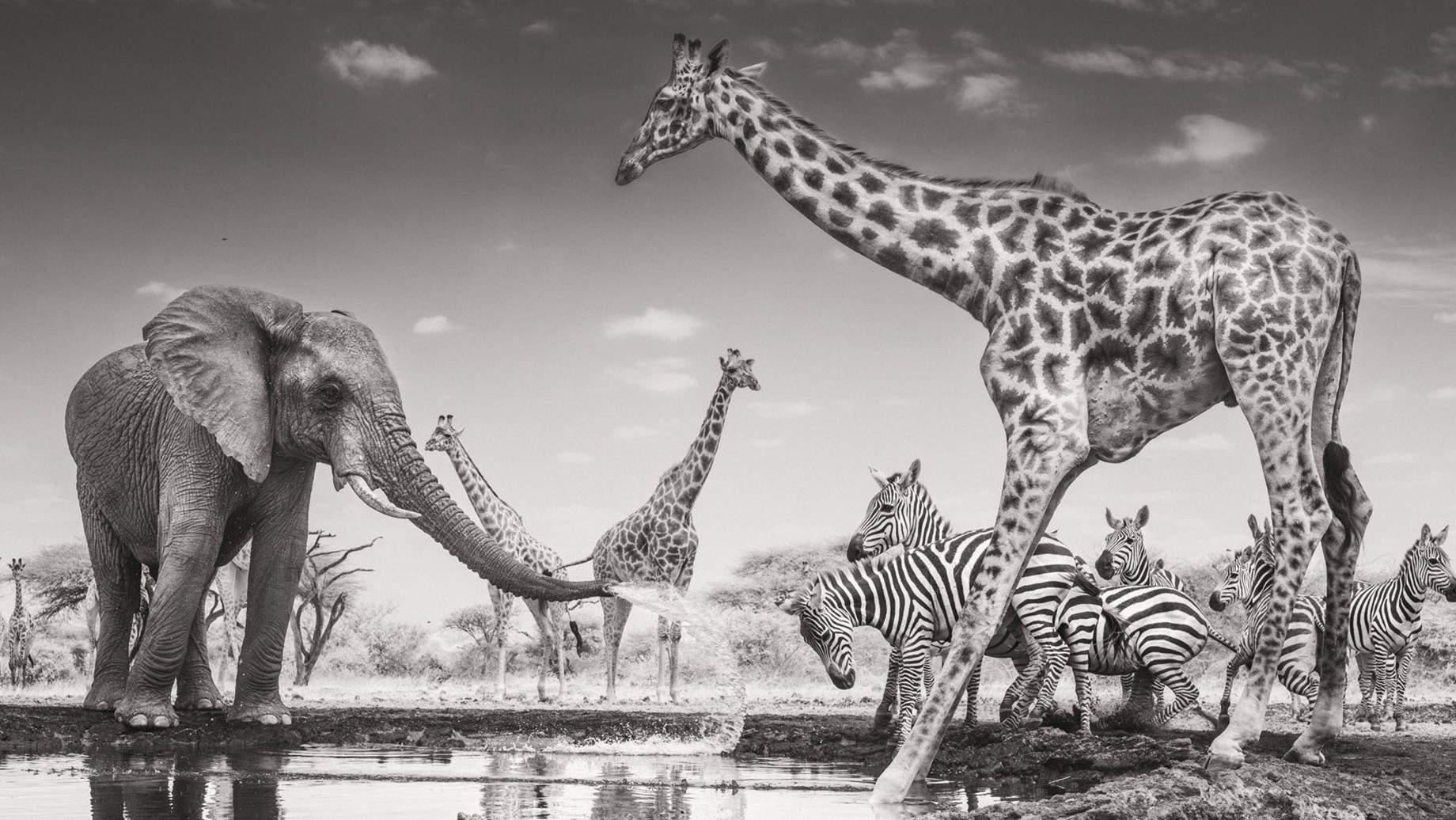
The Atlantic has published a collection of winning and honored images from the 2026 Wildlife Photographer of the Year competition, selected from more than 65,000 submissions from 121 countries and territories. This follows earlier reports that a photograph of an elephant carrying a dead calf won the overall prize and that the winning images would be exhibited at London’s Natural History Museum from October 16, 2026, until July 2027.

The Modi government has removed more than 100 million people from voter rolls and is cracking down on a vigorous protest movement, The New Yorker reports. The article asks whether these developments mark the beginning of the end of Indian democracy.
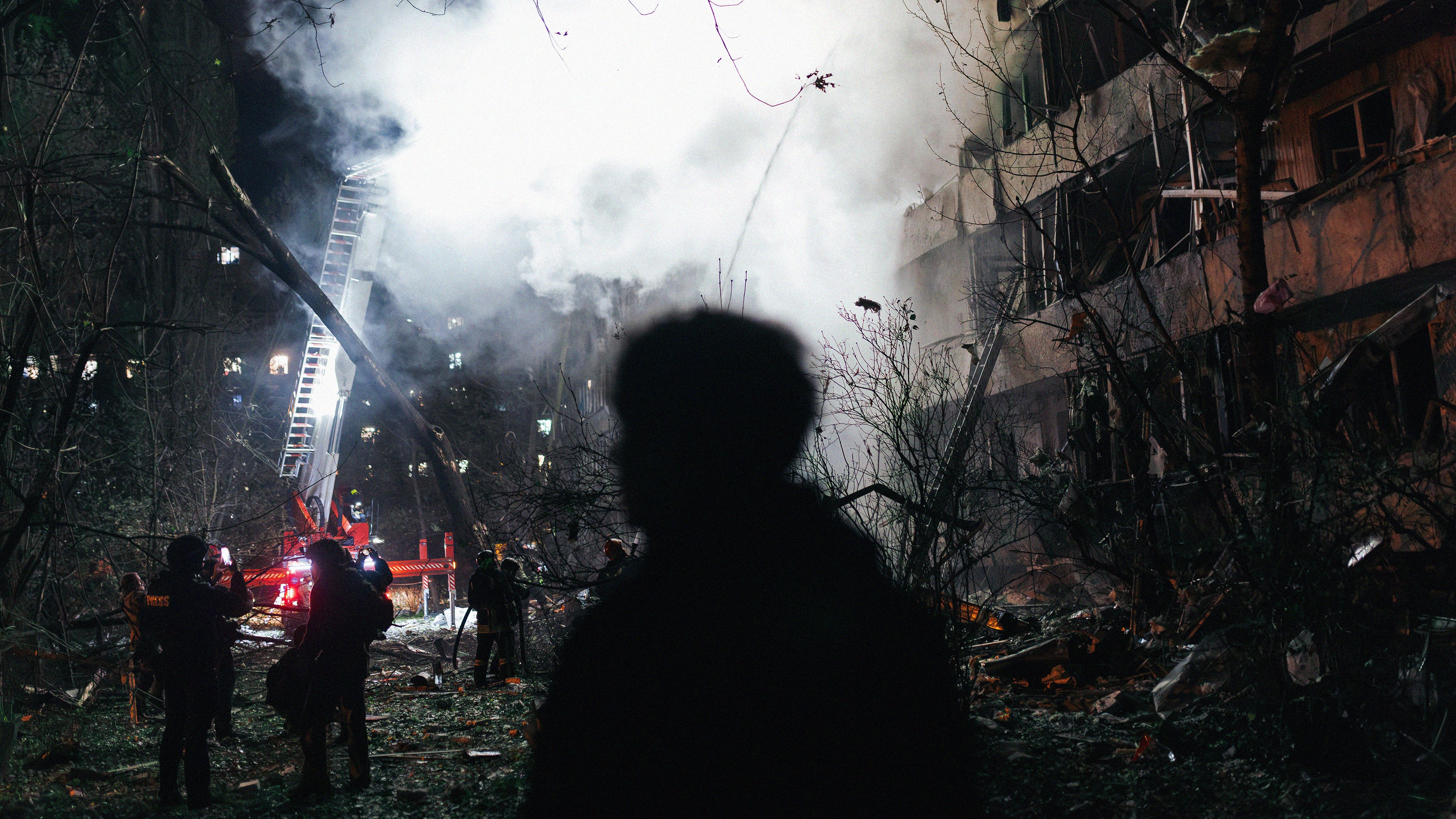
The Atlantic reports that Ukraine is finding a new set of targets as President Donald Trump intervenes to protect Russia’s oil refineries, leaving Ukraine with few cards to play. This follows earlier coverage of a Trump-Russia diesel deal framed as benefiting Putin amid the war in Ukraine and drawing criticism in Europe.

The New Yorker characterizes President Donald Trump’s October surprise as a pivot to Putin. It questions why Trump is doing so if Russian diesel cannot save Republicans.

The New Yorker profiles director Lee Chang-dong, describing his work as an excavation of the traumas of contemporary Korean history in starkly personal terms.

WIRED reports that Elon Musk’s father, Errol Musk, agreed to be interviewed immediately. The report discusses Alex Gibney’s “Musk” and its perspective on father issues.

An OpenAI employee has been arrested and charged over an alleged attempt to plant a hidden recording device at the company’s offices. The reports describe the location as a conference room or elsewhere in an office. Fast Company says OpenAI found the device a week before the Friday arrest, fired the employee and reported the matter to the FBI; it identifies him as 35-year-old Saudi national Abdulrahman Alfozan and says OpenAI reported no indication that he improperly accessed or removed model weights, source code or customer data. Tom’s Hardware says the charge carries up to five years in prison and a $250,000 fine.

This week on Uncanny Valley, the podcast discusses an unexpected feature in Meta’s Muse and Apple’s HomeView, which it says left its team baffled. The episode also covers spending by the largest pro-AI super PAC and men’s tendency to lie about how much they know about AI.

WIRED reports that more than $600 million was traded on Polymarket election contracts after races in Ethiopia and Romania had ended and their outcomes were decided. An expert told WIRED the trading was obviously some form of volume manipulation.

US President Donald Trump has scrapped plans to livestream the execution of the Fort Hood shooter after bipartisan backlash, reversing a proposal from Defense Secretary Pete Hegseth. RTÉ says the former Army major killed 13 people; PBS NewsHour and The Globe and Mail report that opponents warned execution images could fuel radicalization.

In an essay, a writer recalls the last Turkish town on the road to Aleppo, where jihadis and spies mixed with reporters trying to prove themselves.
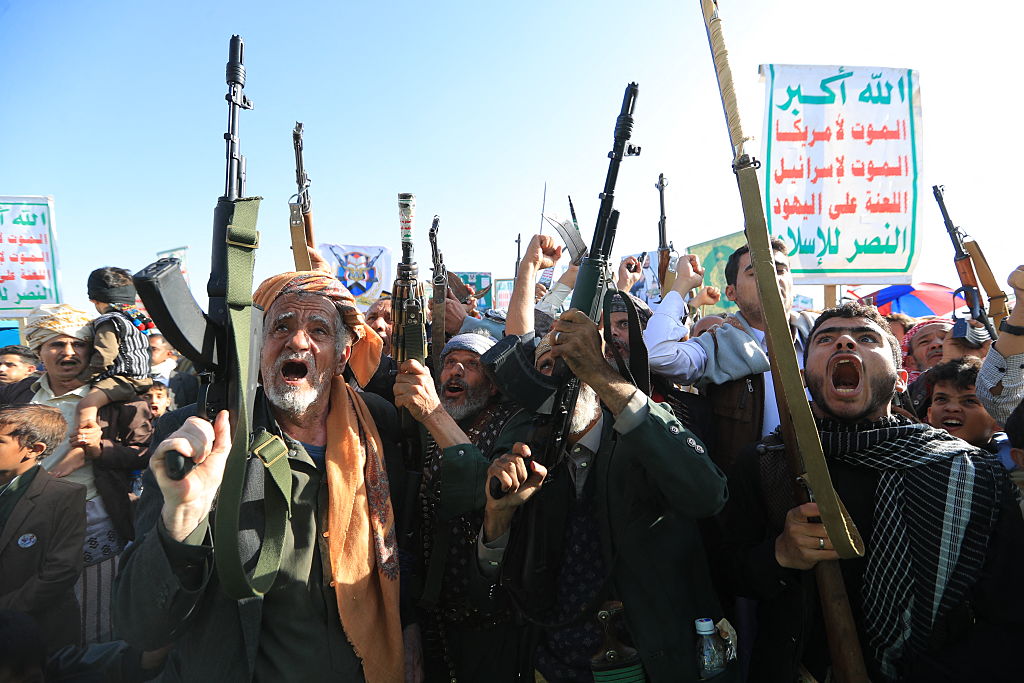
Yemen’s Houthi rebels have vowed to forge ahead with attacks on Saudi Arabia’s airports and oil facilities, TIME reports. The Financial Times describes the Islamist group’s ambitions in its fight against Saudi Arabia as wide-ranging.